
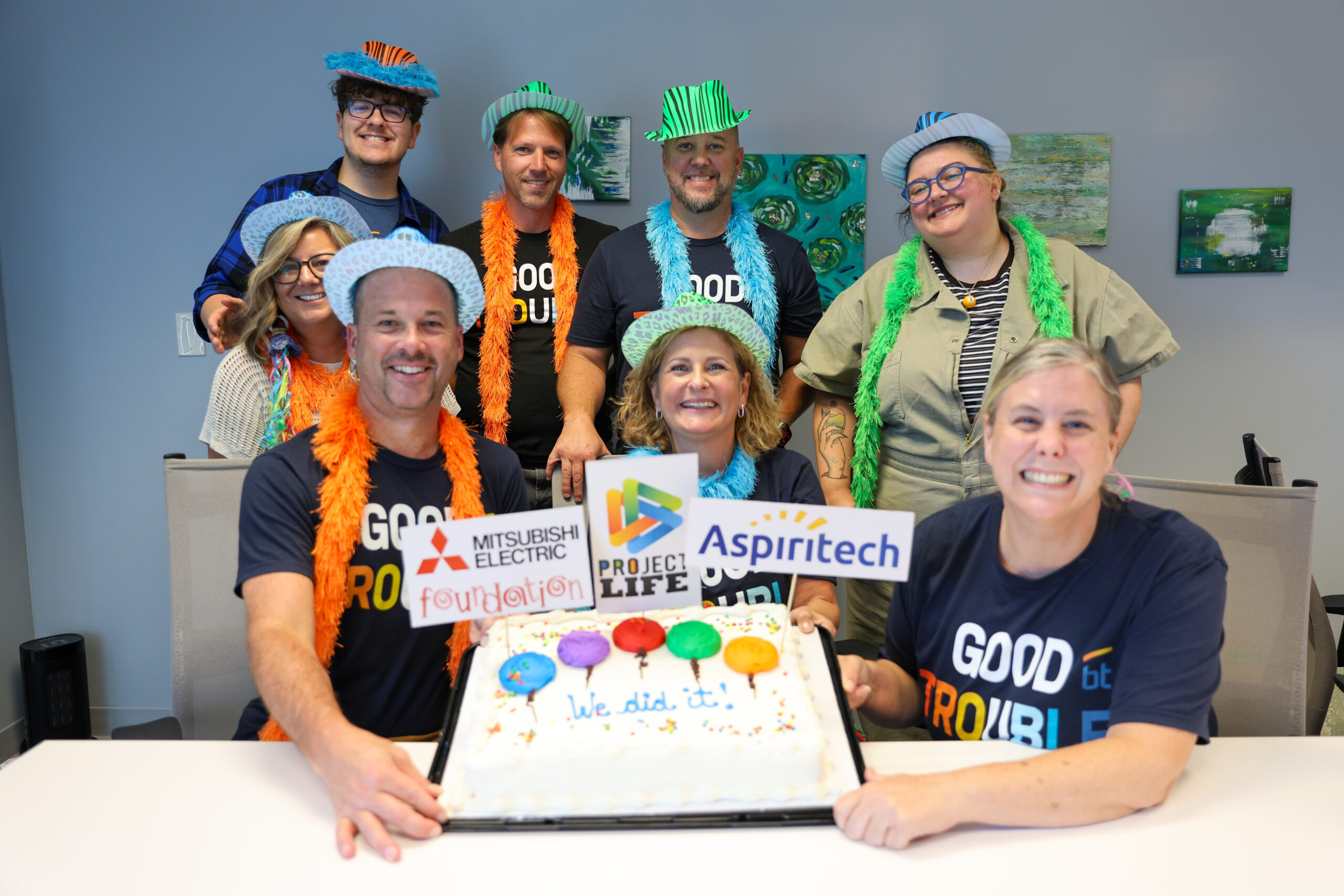
 A new digital platform is making resources easier to find for Project LIFE instructors while creating new ways for a growing network of programs to connect, share and ultimately better serve young adults with disabilities.
This fall, Project LIFE launched LIFE Link, a customized digital portal developed through a partnership with Aspiritech, a nonprofit technology services agency with a workforce that is more than 90% on the autism spectrum. The project was supported through funding from the Mitsubishi Electric America Foundation, bringing together two organizations with a shared commitment to creating opportunities for individuals with disabilities.
Project LIFE is a Butler Tech transition-to-work program that helps young adults with disabilities build the skills, confidence and experience needed to move toward greater independence and competitive employment. Through classroom instruction and authentic workplace experiences, interns develop employability and independent-living skills while exploring their strengths, interests and abilities.
Since its beginning at Butler Tech, Project LIFE has grown to include 58 replication sites across the United States and Canada. Schools and organizations that adopt the model use Project LIFE curriculum, resources and approaches to provide similar experiences for young adults in their own communities.
As that network grew, so did the need for a better way to support it.
Project LIFE had been using a system that housed 847 individual curriculum files, with separate versions needed to accommodate schools using Google and Microsoft platforms. Finding resources could be difficult, links would break and instructors sometimes had to download hundreds of individual files and organize them on their own.
With LIFE Link, instructors can search the curriculum, choose the format they need and download complete units in just a few clicks. What once could require 847 individual downloads can now be accomplished in eight!
But the Project LIFE team wanted LIFE Link to do more than organize files.
The portal includes a community resource forum where instructors can connect around specific topics, share ideas and learn from colleagues across the Project LIFE network. Success stories and photo galleries provide opportunities to highlight interns and programs from different communities, while built-in templates help instructors quickly create items such as intern recognition, certificates and communications for business partners.
That connection can be especially valuable for instructors who may be the only person teaching Project LIFE in their community.
The partnership behind LIFE Link started with a chance meeting.
Project LIFE Replication Specialist Michelle Bumgarner met Aspiritech CEO Tara May while attending a Mitsubishi Electric America Foundation gathering in Boston. Both Project LIFE and Aspiritech had received support from the foundation, and as Bumgarner and May learned more about each other’s work, they quickly saw an opportunity to work together.
Founded in 2008, Aspiritech has more than 115 employees and provides technology services in areas including quality assurance, accessibility, data services, cybersecurity and web development. With more than 90% of its team on the autism spectrum, Aspiritech has built its own mission around creating meaningful employment opportunities for neurodivergent professionals.
That made the opportunity to build LIFE Link particularly meaningful. Aspiritech’s technology professionals were creating a tool for Project LIFE, a program helping young adults with disabilities build skills and prepare for employment.
For May, the alignment between the two organizations made LIFE Link more than another technology project.
“It’s really special when two organizations that are mission aligned get to work together and push forward a larger picture,” May said.
That shared purpose shaped the development process. Rather than simply building what the Project LIFE team initially requested, May and the Aspiritech team continued identifying ways to strengthen LIFE Link and expand what it could eventually accomplish.
“We’re gonna go above and beyond every step of the way because … this is why we’re here. This is what we believe in,” May said.
For Project LIFE Replication Coordinator Shawn Hoff, having a platform built specifically around Project LIFE instead of trying to adapt an existing system is one of LIFE Link’s biggest strengths.
“Everything is built from the ground up with the end product and end result in mind,” Hoff said.
The collaboration grew even stronger when May visited Butler Tech and experienced Project LIFE firsthand, meeting instructors and interns, seeing workplace experiences and talking directly with the people who would ultimately use the system.
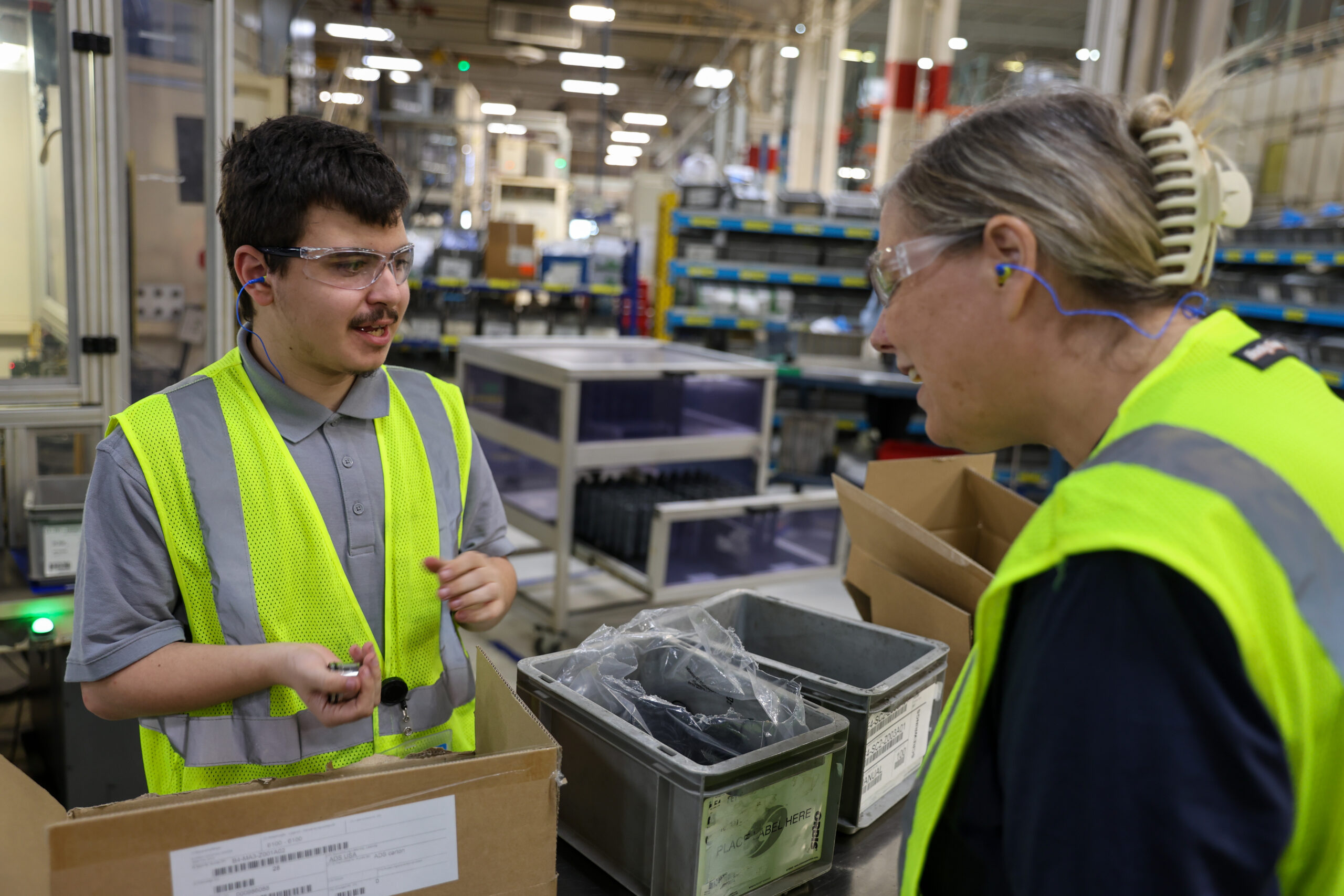 “Visiting changes everything,” May said.
That firsthand experience is already helping shape the next phase of LIFE Link. Future development will bring assessments and job-site reporting into the platform, helping instructors more easily track student progress and use that information to support decisions about workplace experiences and employment.
Butler Tech Project LIFE instructors will help beta test those features during the 2026-27 school year before they are introduced across the broader replication network.
LIFE Link also creates new possibilities for the continued growth of Project LIFE.
Organizations considering becoming Project LIFE replication sites can now receive 30-day read-only access to LIFE Link, allowing prospective partners to explore the depth of the curriculum and resources available before making a commitment.
The same platform supporting the 58 sites already using the model can now help prospective partners better understand what becoming part of the Project LIFE network provides. As that network grows, LIFE Link provides a system designed to grow with it.
For May, the potential to help Project LIFE reach more communities is what she hopes LIFE Link will ultimately accomplish.
“Project LIFE has built a really special model, and it’s very clear to me that it is needed in schools and communities and employers all over the country,” May said. “And I hope what this tool does is makes it easier and faster to scale out this incredible offering to impact more people.”
“There is nothing more gratifying than collaborating with partners who share your values,” May said. “We all do different things, but we share the same ethos, and that’s really special.”