
When a medical emergency unfolded at Monroe High School, several Butler Tech Healthcare Science students witnessed their instructor, Kelley Dudleson, jump into action to assist the school nurse. What they saw left them asking how emergencies are handled, who takes responsibility, and what students can do to help when every second counts.
Those questions soon became something much bigger than a classroom discussion. Students in Dudleson’s seventh-bell Healthcare Science class took the initiative to develop an Emergency Response Plan (ERP) to strengthen communication, clarify responsibilities, and improve preparedness throughout the school.
The experience occurred in September, shortly after Butler Tech Superintendent William Sprankles challenged students to identify a real-world problem, connect with professionals and create a solution that could make a meaningful difference. For Dudleson’s students, the opportunity was right in front of them.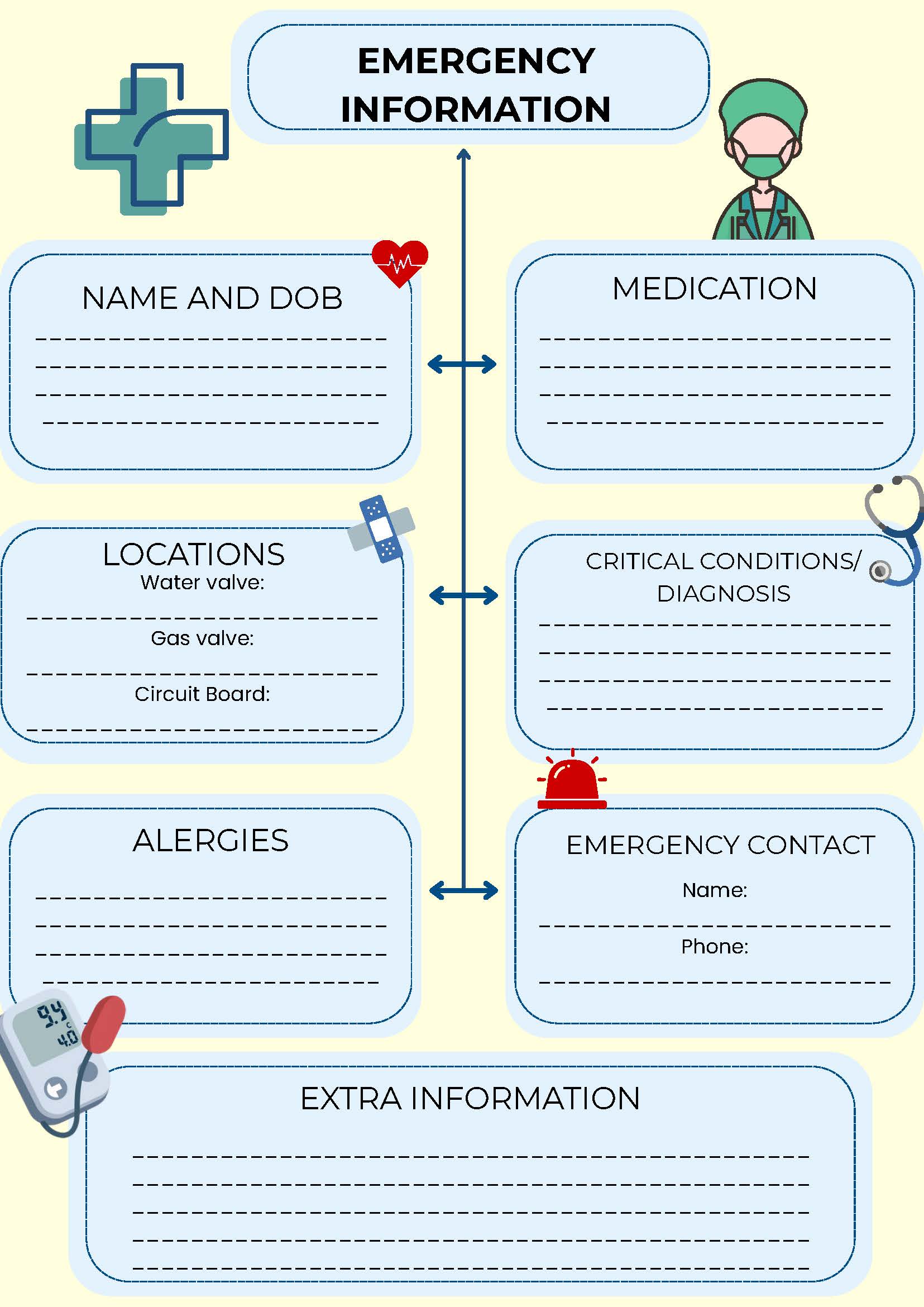
As they discussed what they had witnessed, students began asking how school staff communicate during medical emergencies, who determines when to call 911 and how important medical information reaches the people responding. They recognized that effective emergency response requires more than medical knowledge. It depends on preparation, teamwork and everyone understanding their role.
Students began developing hypothetical emergency scenarios, mapping out responsibilities and identifying ways to improve communication. They invited the school nurse to review their ideas and provide feedback before presenting their proposed plan to Monroe High School and Monroe Junior High School administrators. The students then revised their work based on recommendations from school leadership.
Their proposal includes classroom reference cards with important telephone extensions, a system for relaying information to the school nurse and clearly outlined responsibilities for staff, administrators and students during an emergency. Students also recommended practicing the procedures regularly to help ensure everyone understands what to do.
For 11th grader Khushdeep Kaur, developing the plan changed how she thinks about emergency preparedness.
“I am not going to lie, before making this plan, I had never really understood what I was supposed to do during a medical emergency,” Kaur said.
The project also challenged students to think beyond the medical aspects of an emergency. Presenting their recommendations to administrators required them to communicate clearly, consider different perspectives and demonstrate how their ideas could work in a school setting.
“Presenting in front of the principal, vice principal, dean, and junior high principal taught me how to bridge technical systems with real-world leadership, needing to communicate complex plans clearly so every decision maker sees the value for their specific role,” said student Kanya Sharma.
The work extended beyond the seventh-bell class. Students in Dudleson’s first- and fourth-bell Introduction to Healthcare classes developed emergency information forms and portable medical information cards designed to help individuals and families keep important details accessible. The resources include spaces for medications, allergies, medical conditions and emergency contacts. Students also presented their designs to Monroe’s assistant fire chief, extending the project into the community and providing another opportunity to share their work with a professional audience.
For Dudleson, the experience reinforced the importance of communication and teamwork in health care while allowing students to apply their developing skills to a challenge affecting their own school community. Rather than simply learning about emergency preparedness, students took ownership of identifying needs, developing solutions and presenting their work to people who could help move their ideas forward.
Eleventh grader Rilee Terry hopes the project will encourage others to take a more active role in emergency preparedness.
“I feel like if everyone knew the plan, it would make the communities so much stronger,” Terry said. “I love being a part of something that can and will grow to be something so much bigger.”
While decisions about implementing the proposed plan and distributing the students’ resources remain with school officials, the project has already provided meaningful opportunities for leadership, collaboration and real-world problem-solving.